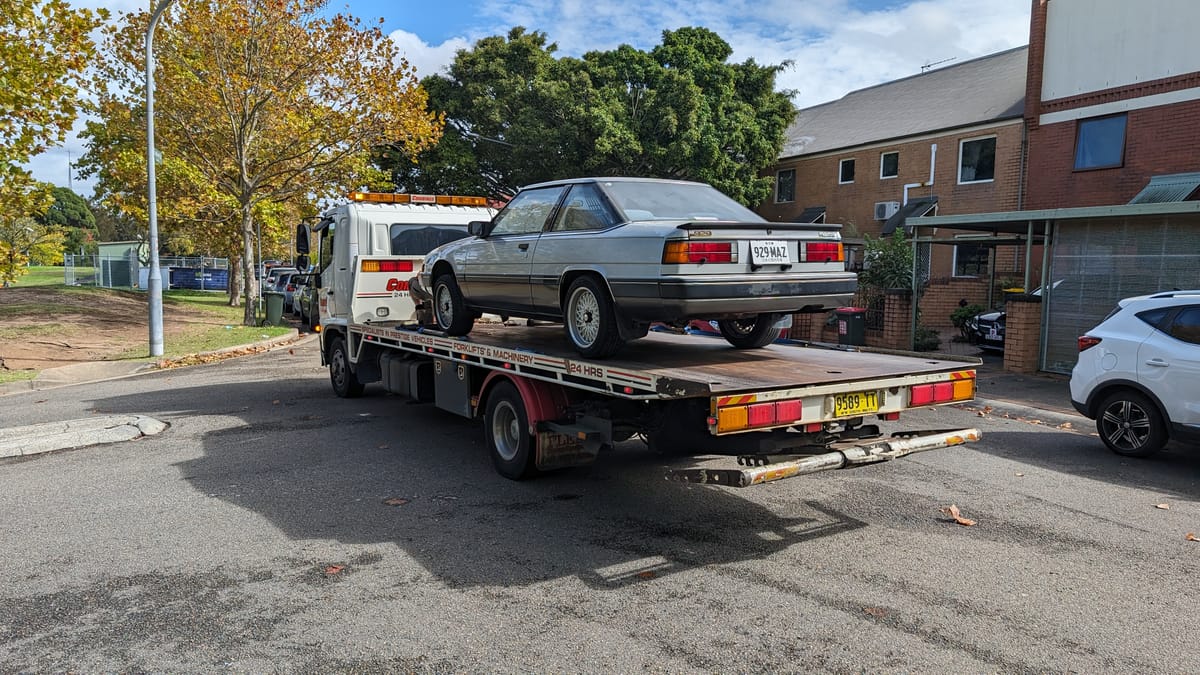
From Marketplace,
sight unseen
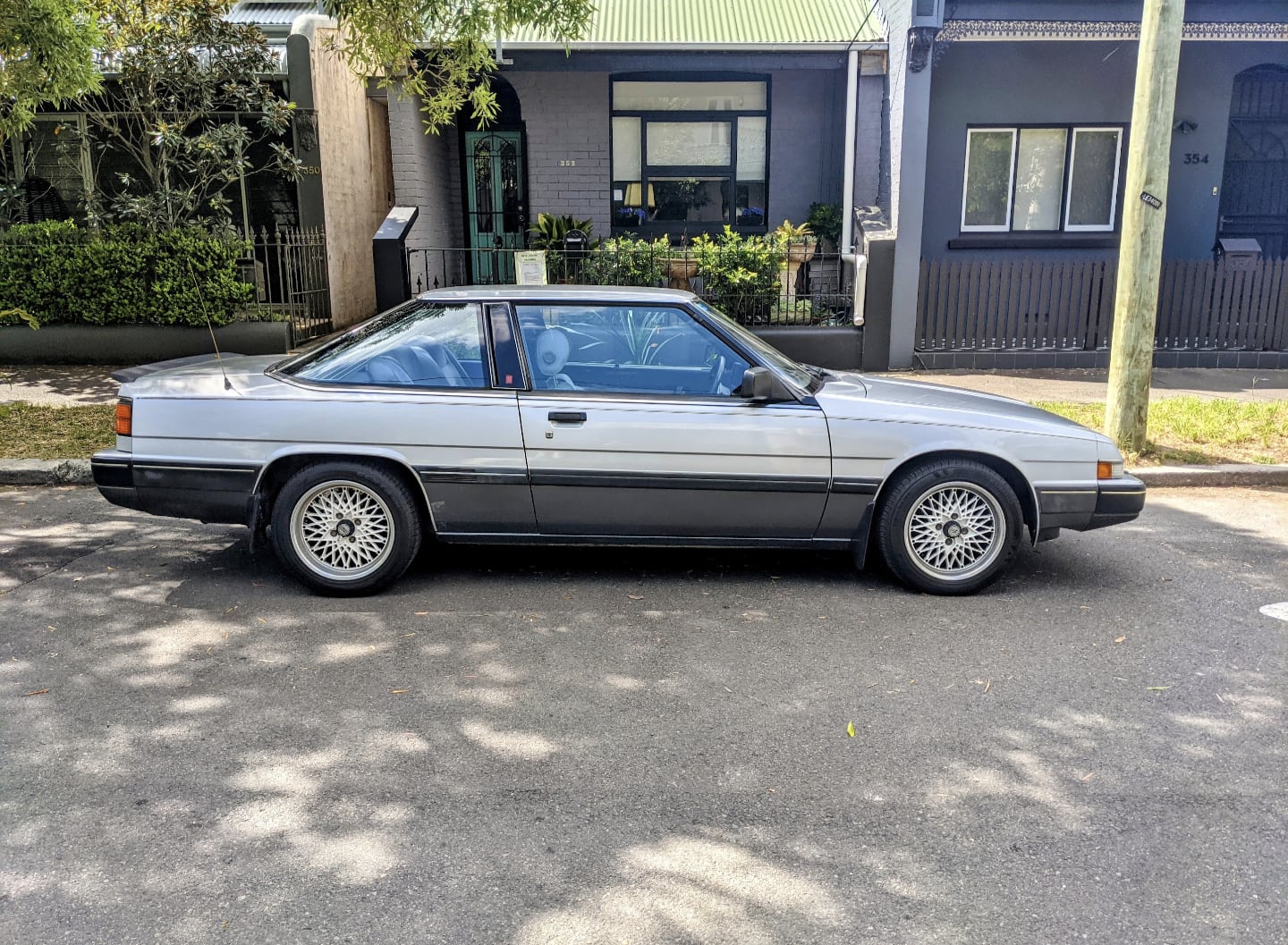
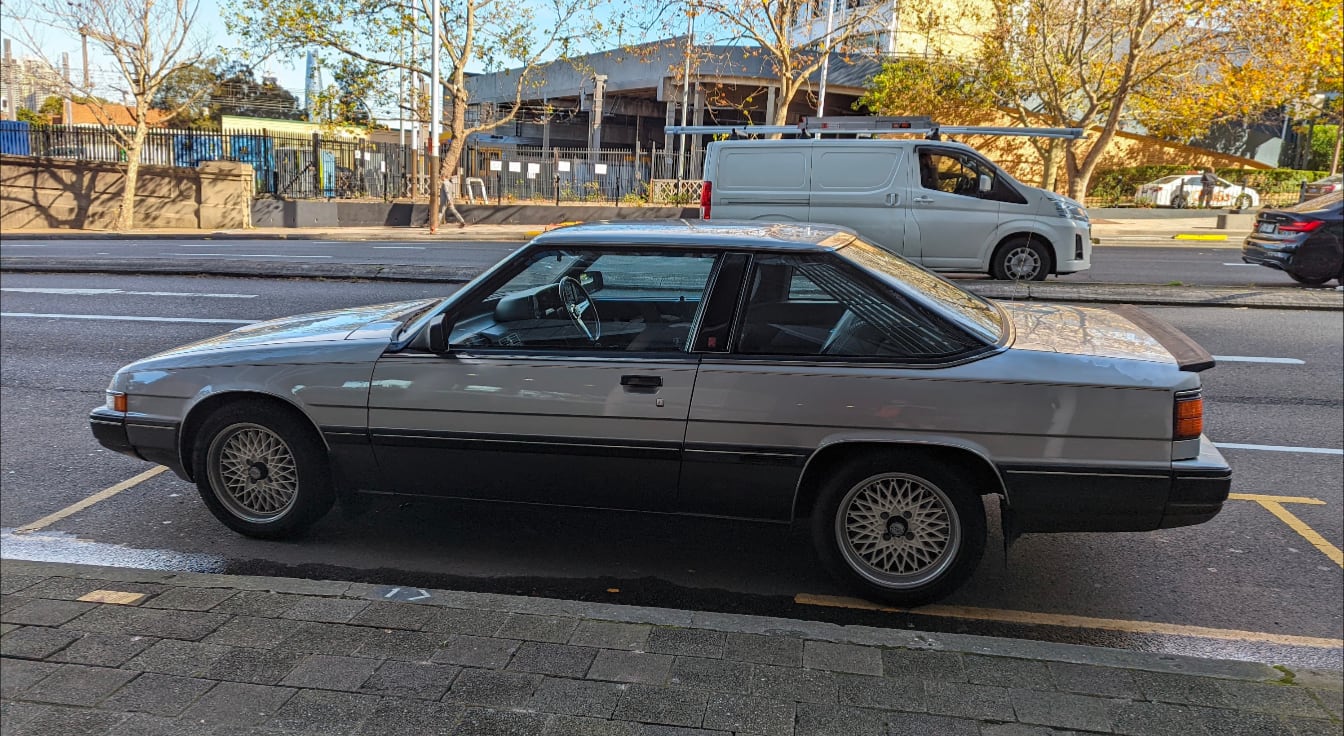
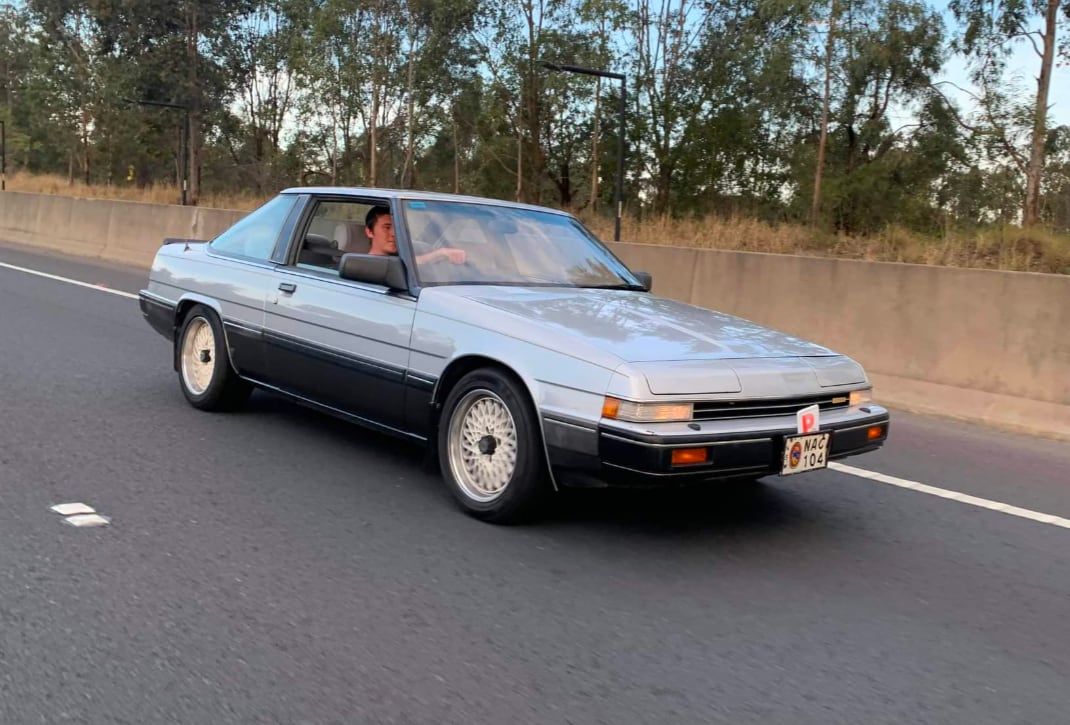
Years ago I owned an S1 929 with a 13BT. Loved the 80s look — and regretted selling it ever since.
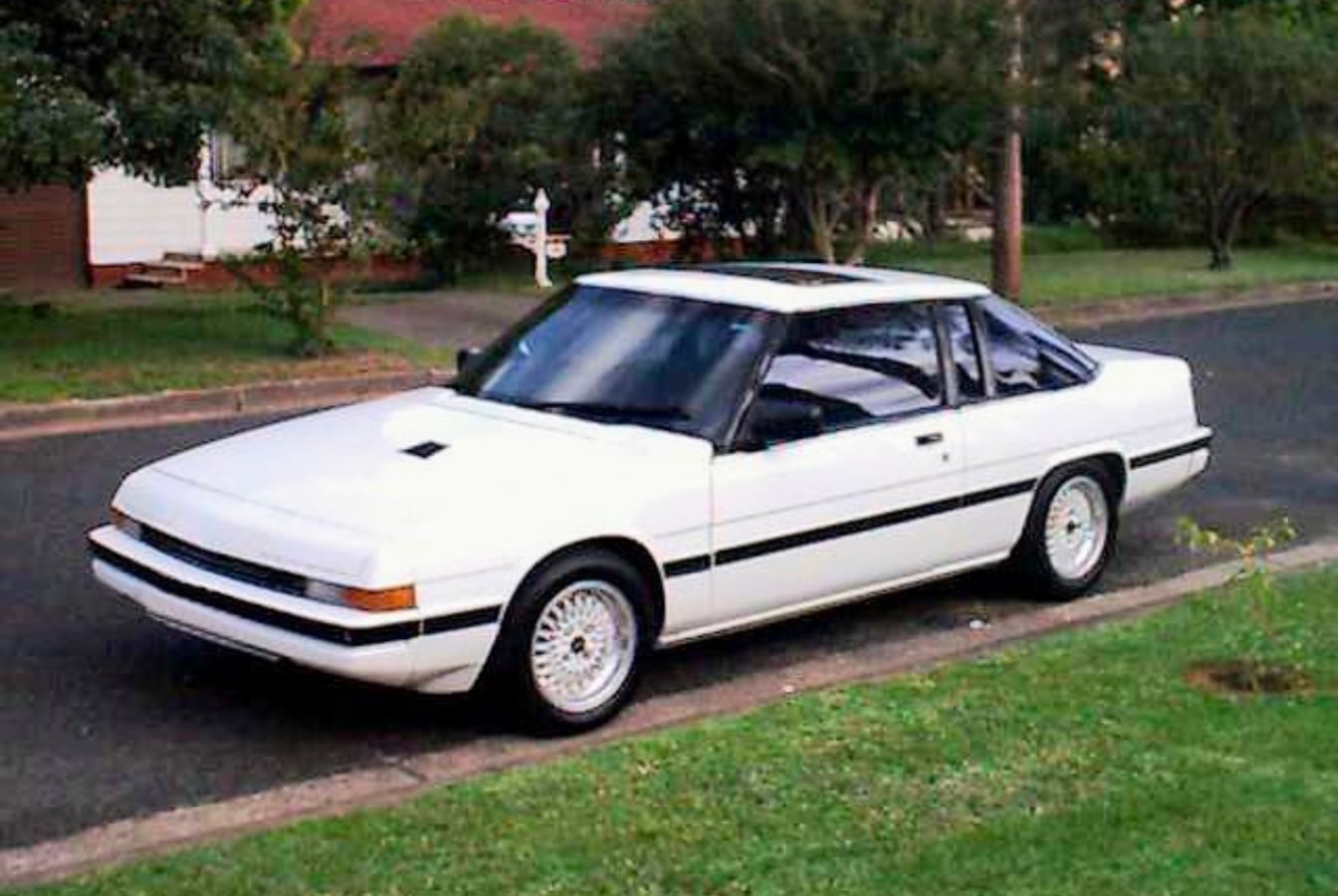
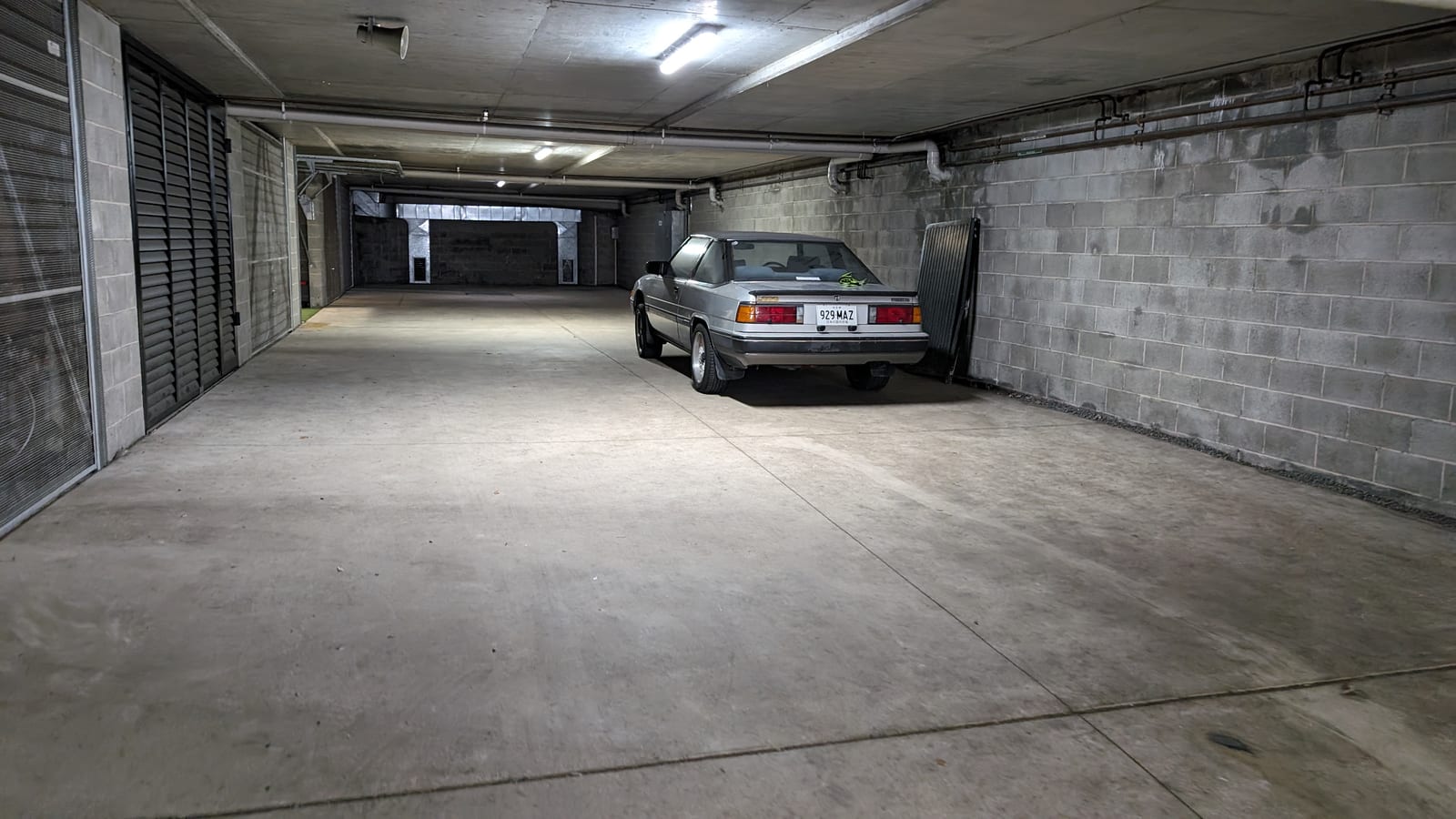
I'd kept my eyes open for a Cosmo for a while: mostly average ones popping up, or just never the right time. Then one fine day a low‑kilometre 929 in genuinely good condition appeared on Marketplace. After some waiting around, mid‑COVID, I finally decided to snap it up — sight unseen, off the internet.
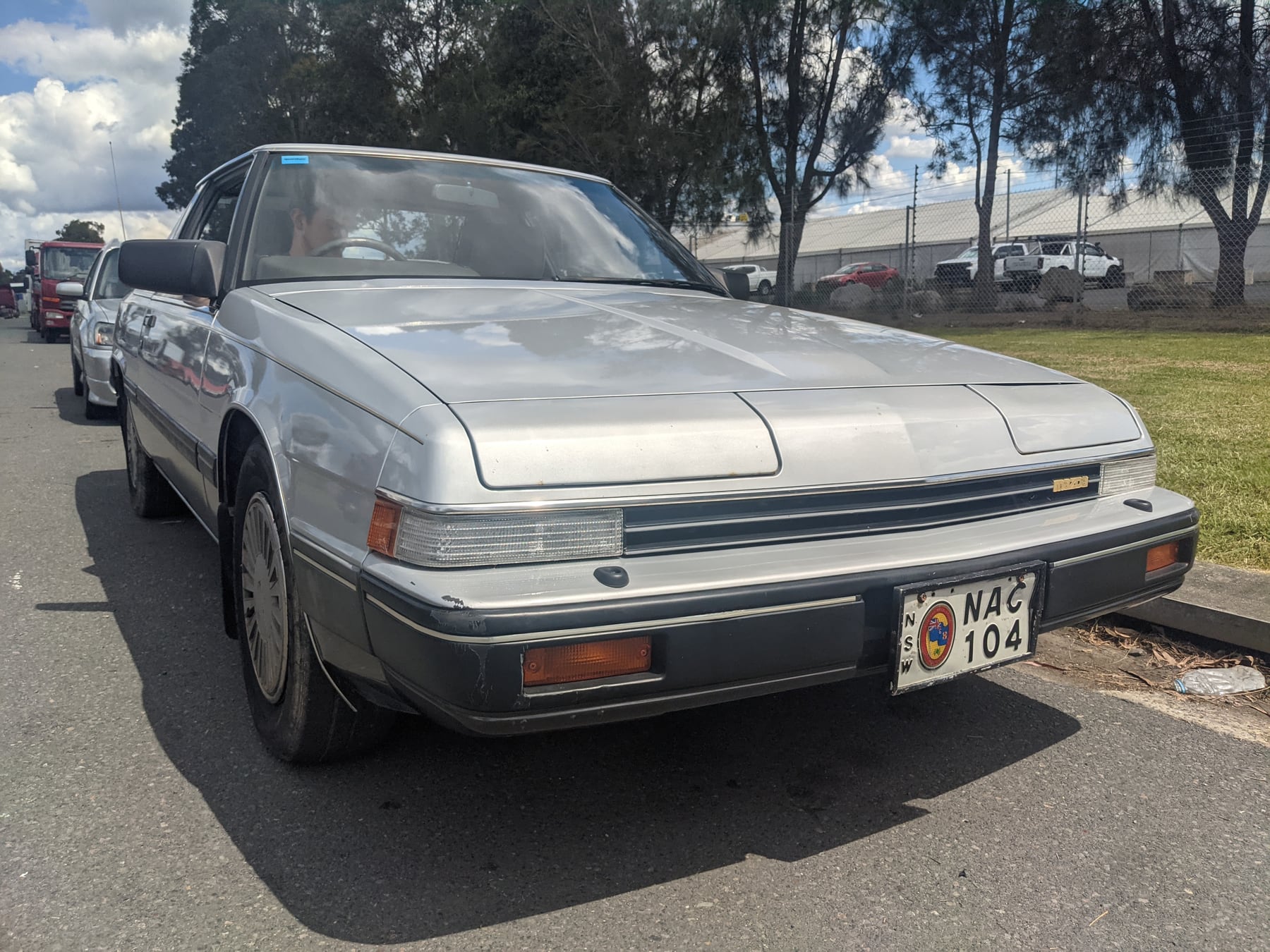
I'd always modified my cars — Gemini, E30, Forester GT — but never done a conversion from scratch. I wanted this one to be by my own hands. Knowing every bolt, every bracket, every fitting was done by me (and mates!). That's the bond you get with a DIY build — the charm and the character.
Send it. Fix it. Repeat.
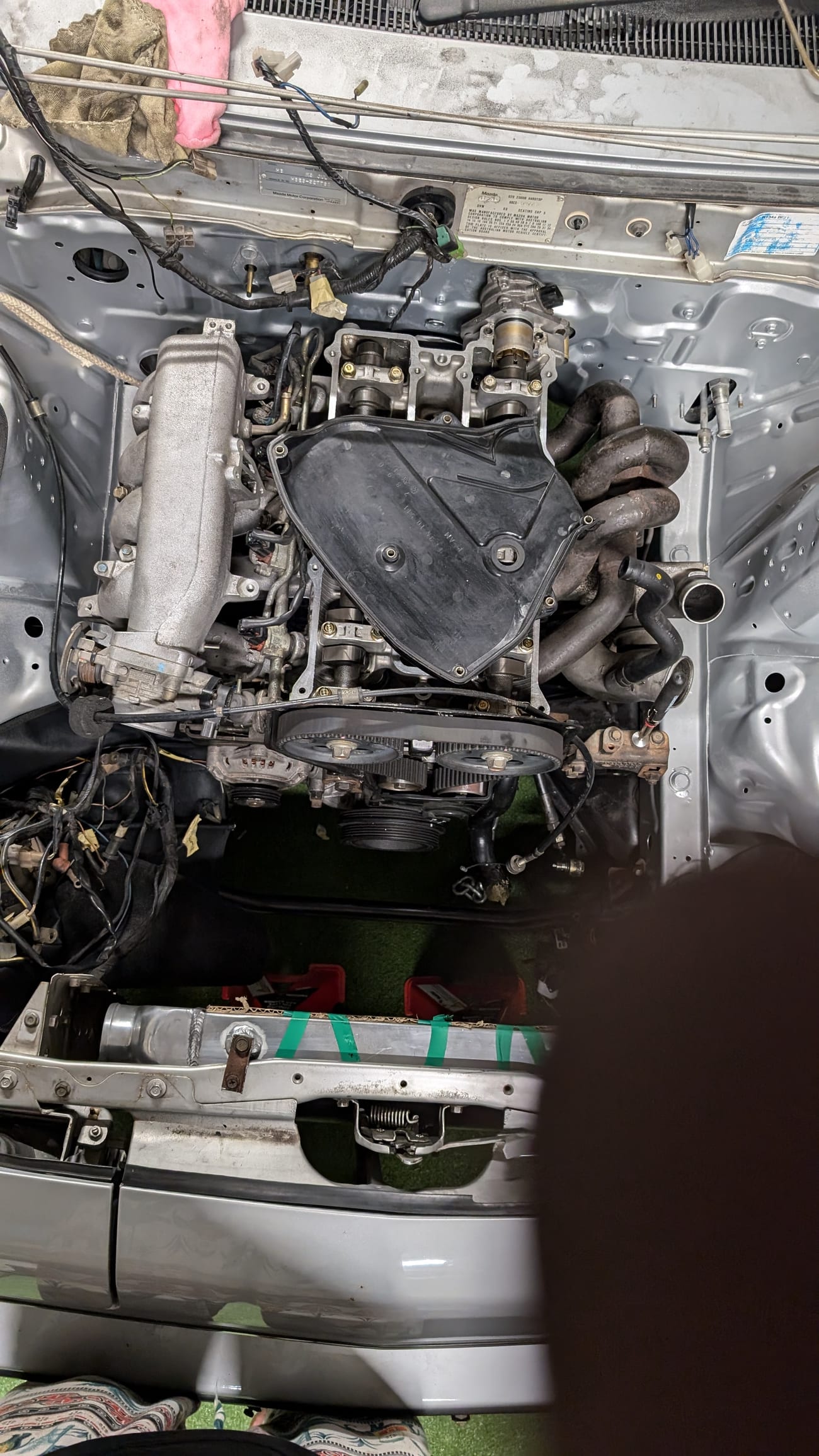
The carby FE and the automatic were never going to stay. I'd first planned the obvious rotor route — but after a lot of Googling, and a lot of just enjoying driving the minter around, I crossed paths with a legend in South Australia and settled on a Mazda FE3: the 2.0 L DOHC variant of the FE. They handle power, the simple design meant I could do most of it myself, and I love the 80s/90s twin‑cam look. So I hired a ute and went and got it.
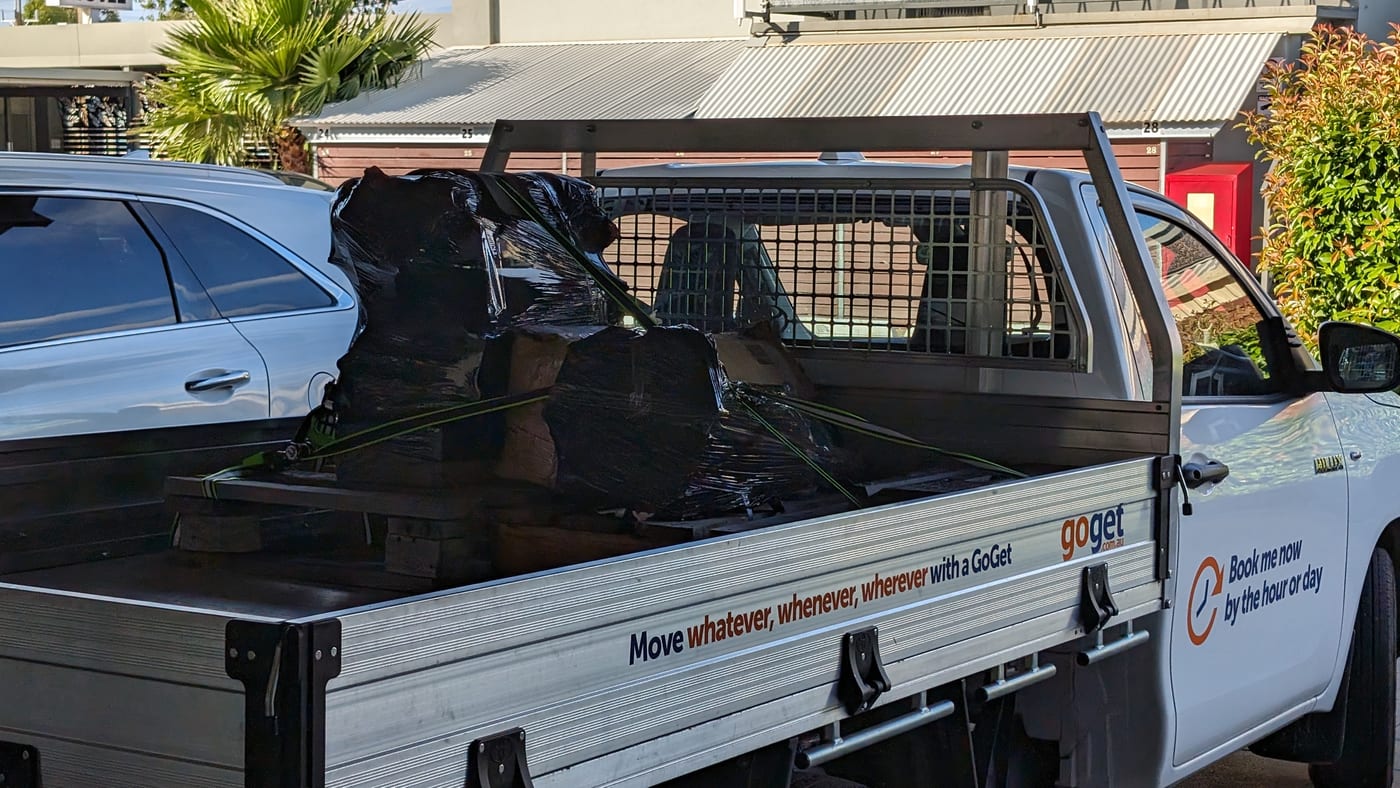
This variant of the FE never hit Australian shores — only sold front‑wheel‑drive in the Probe GT and the JDM MX‑6 GT (and likely a few others). Converting to RWD mostly means deleting the dizzy for a CAS, some custom mounts, and a bit of engine‑accessory fun. This one was rebuilt not long ago, with a fair few good bits.
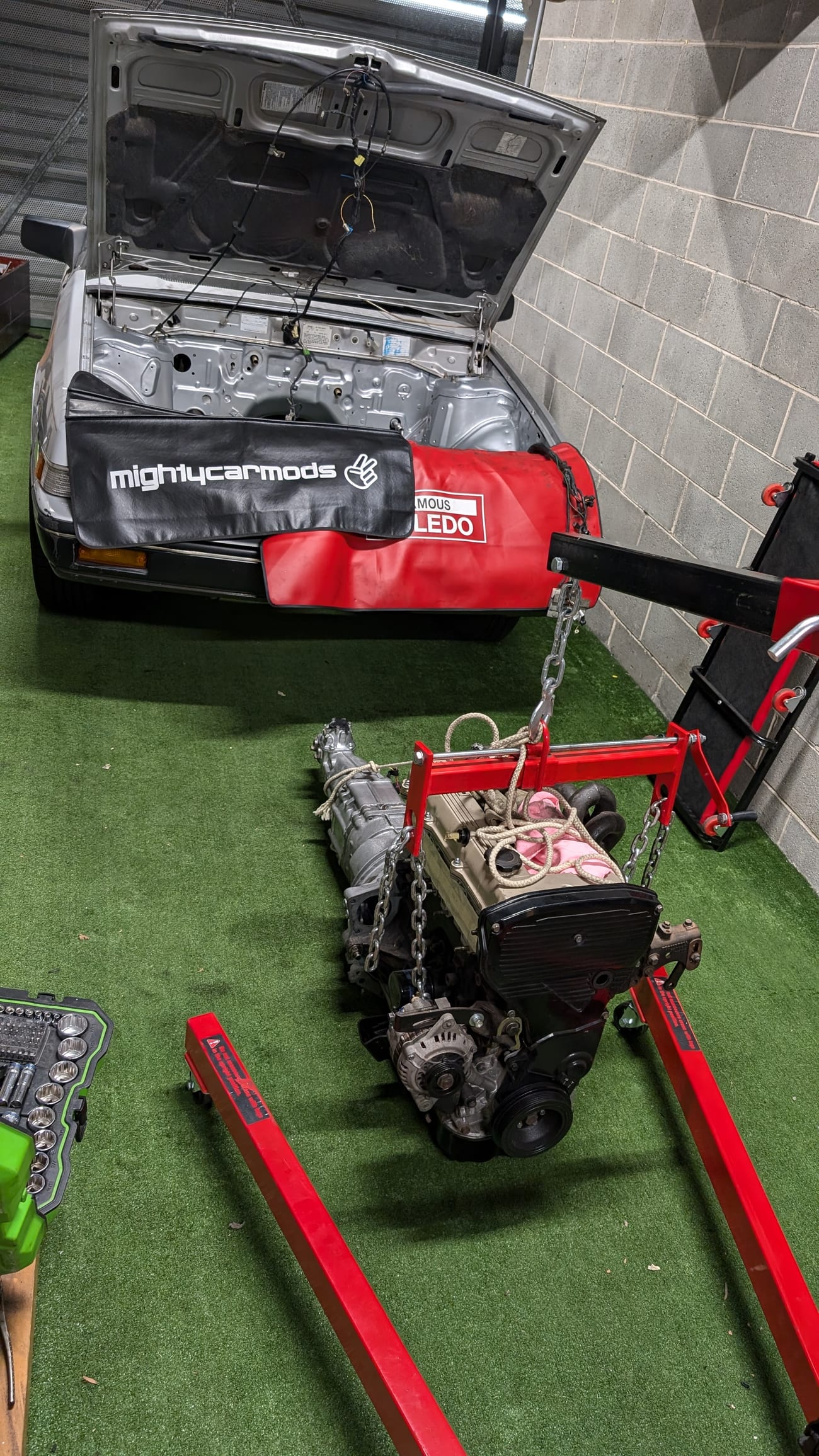
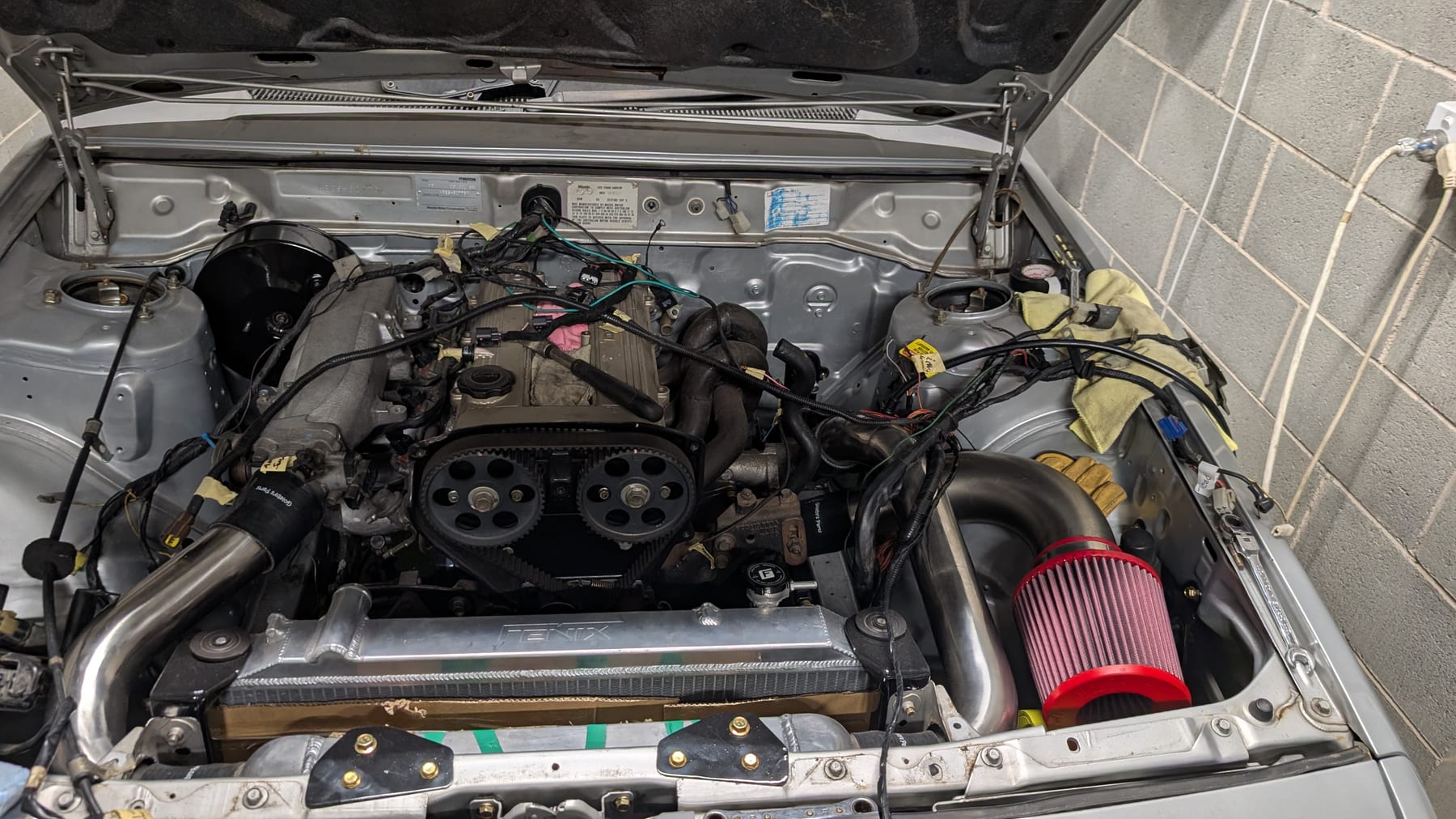
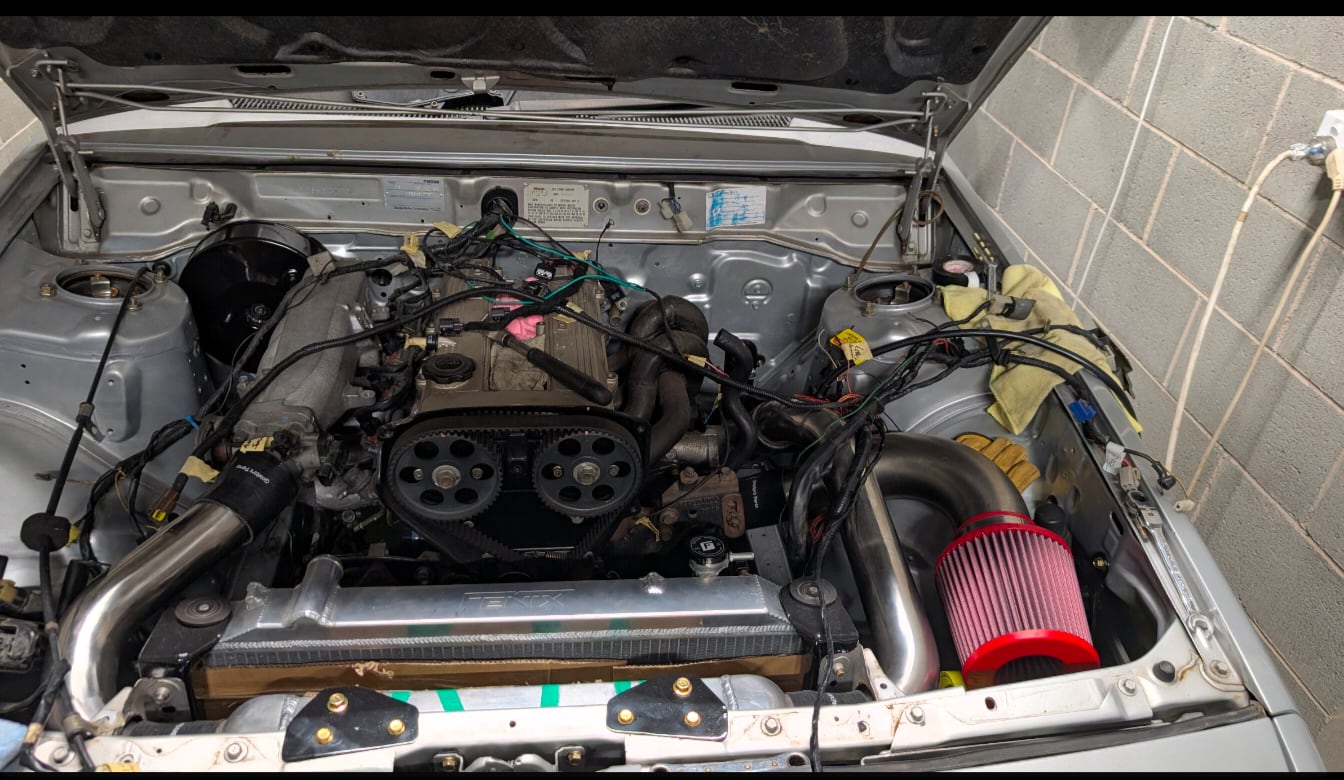
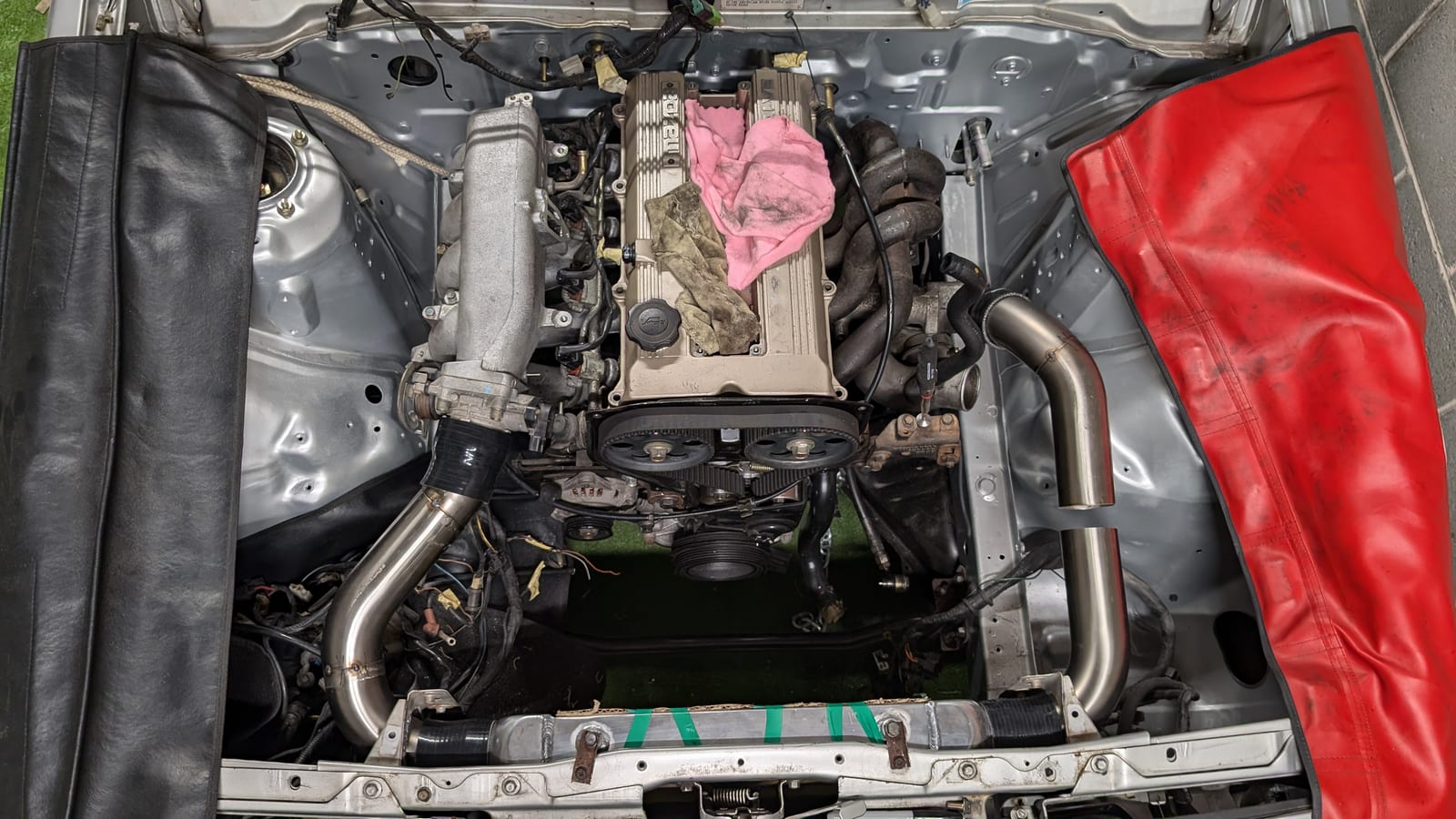
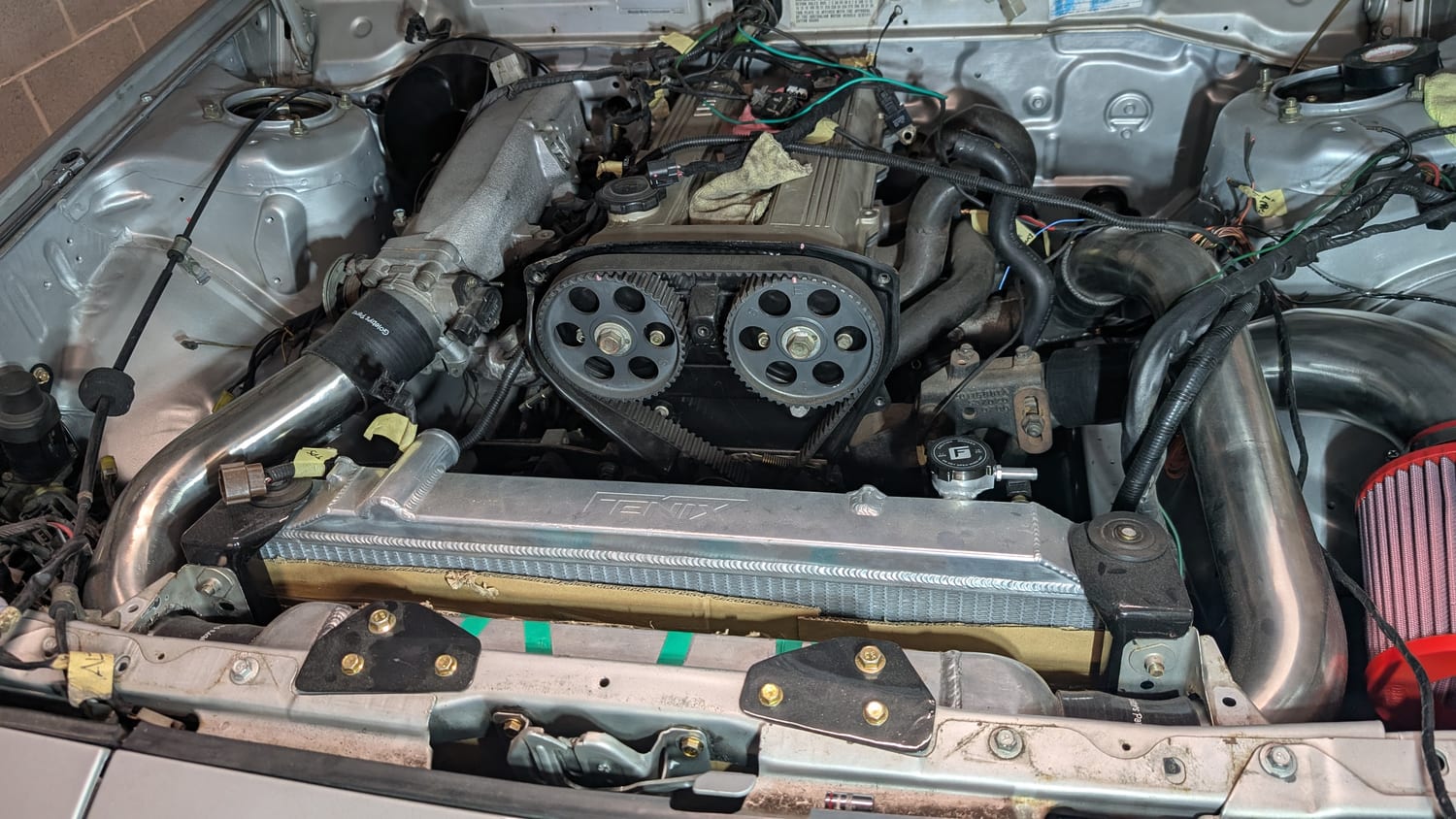
It came set up with a modified SR20 intake, rail, injectors and throttle body, plus modified SR20 headers — which means a T25 flange and a big selection of bolt‑on turbos. I went with a good‑condition T28BB off Marketplace.
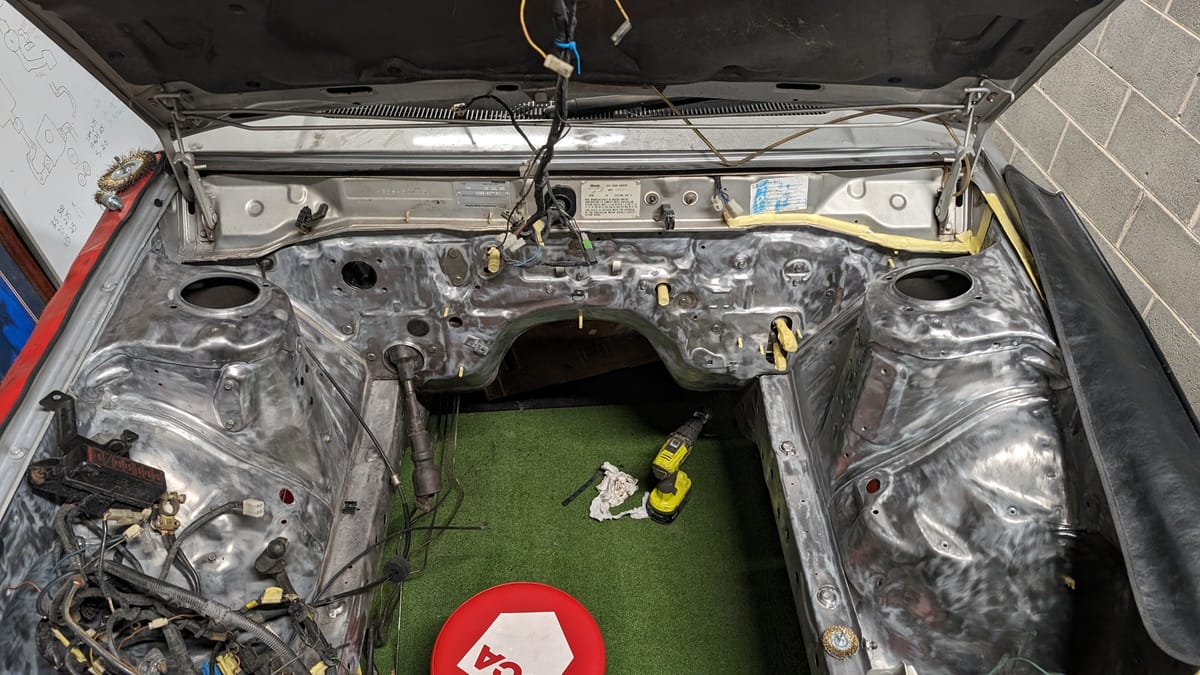
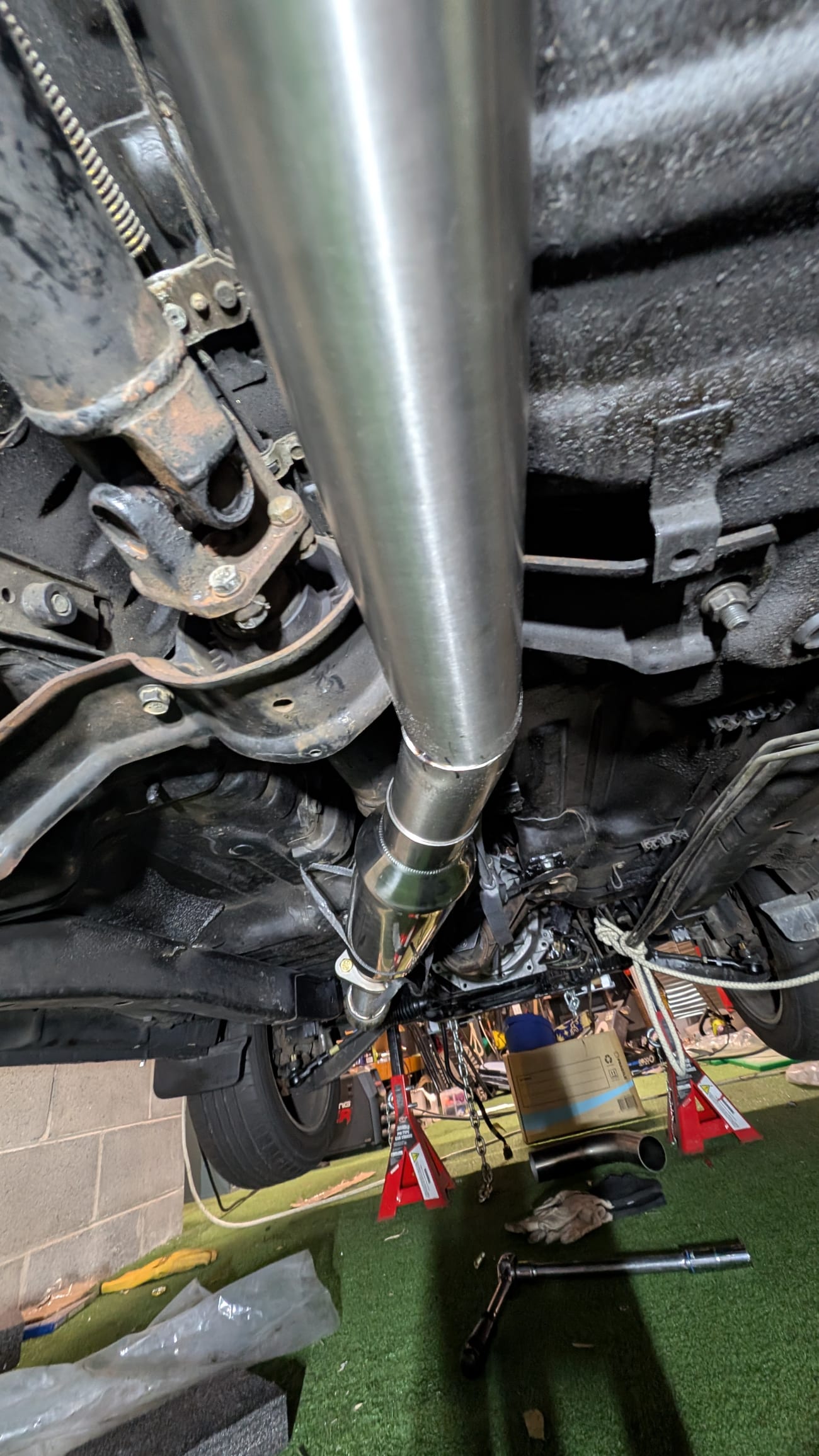
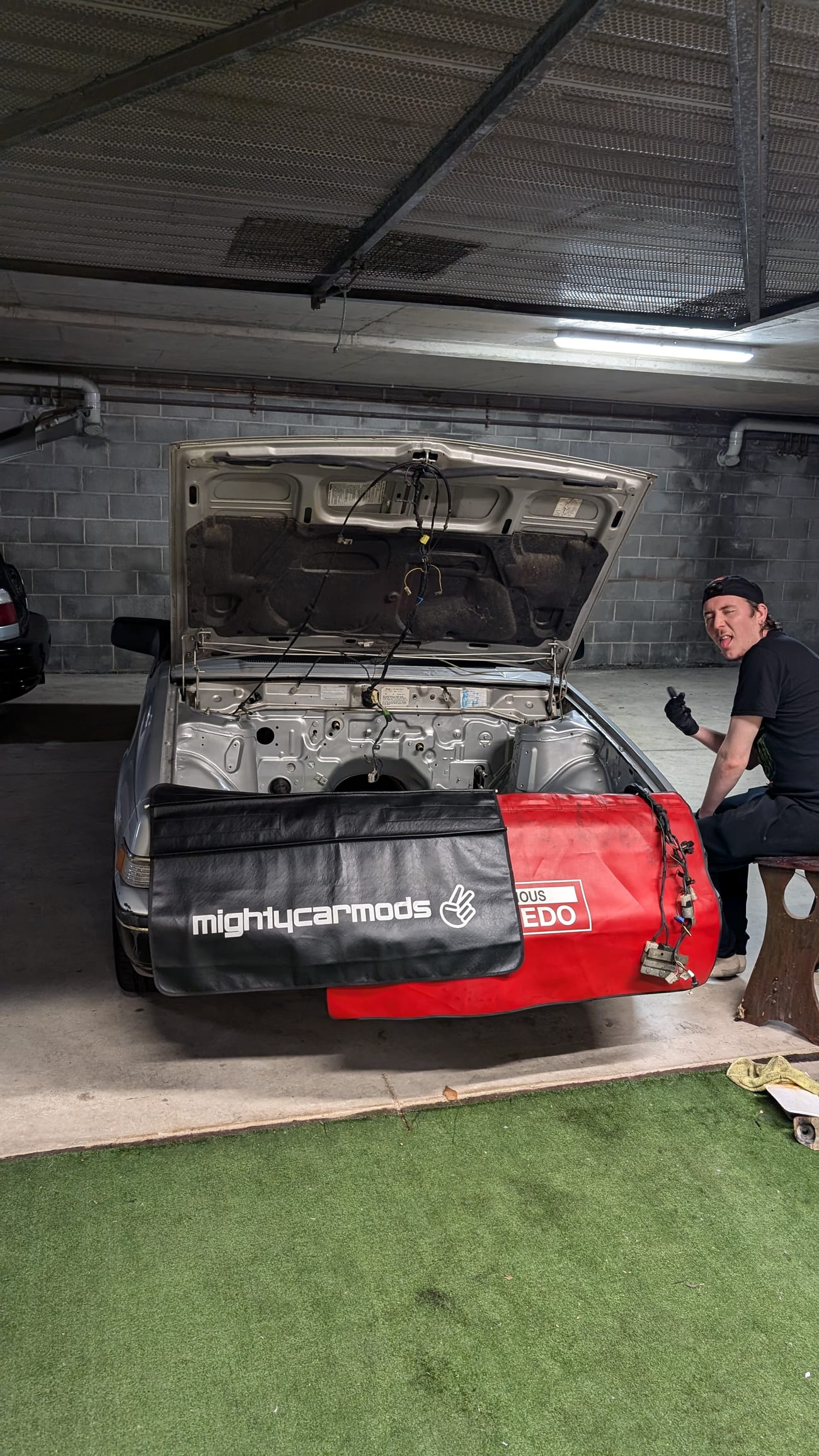
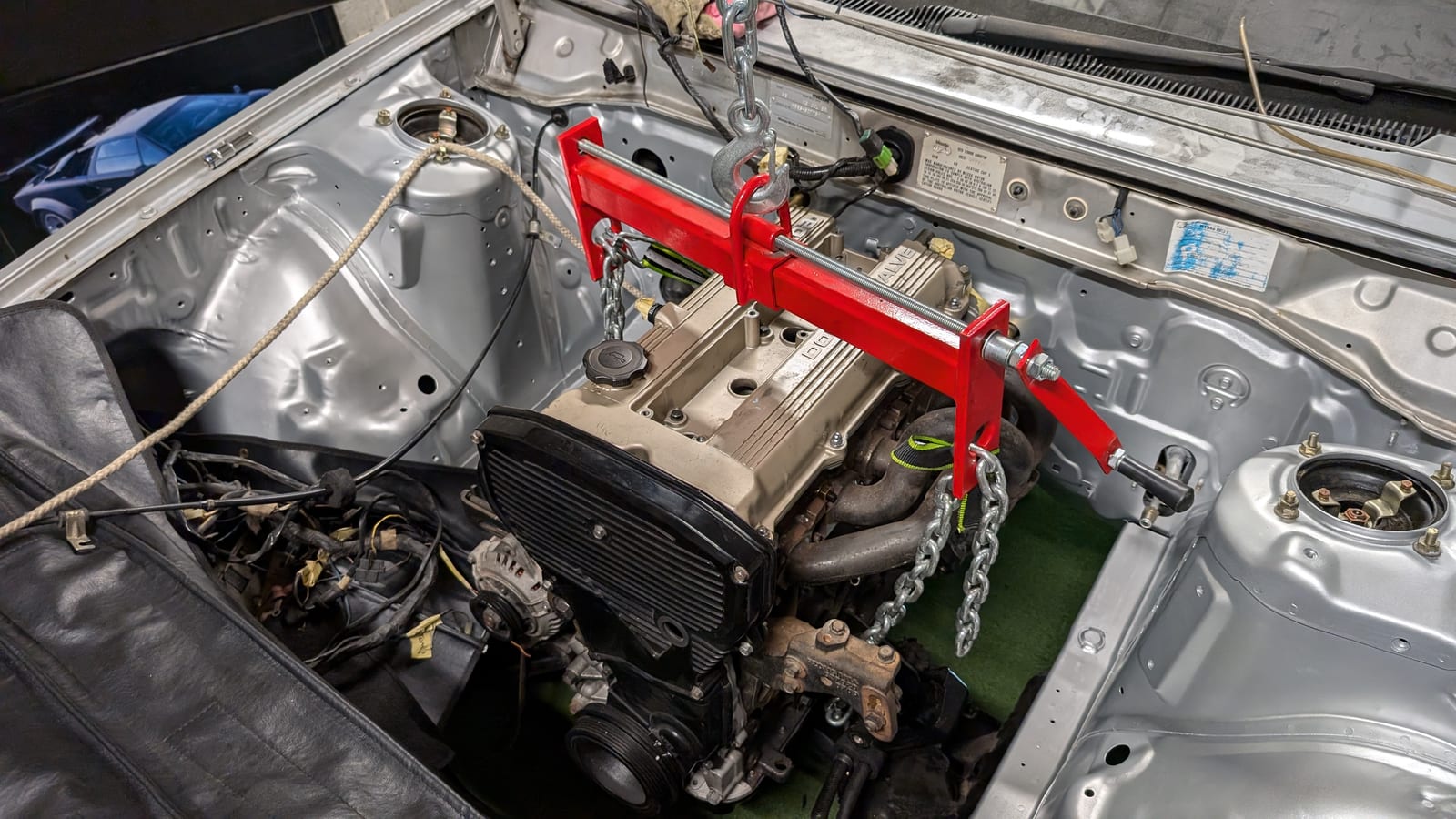
Then the test fit — followed by the usual: wiring, intercooler, dump and exhaust, fuelling, and a million other things.
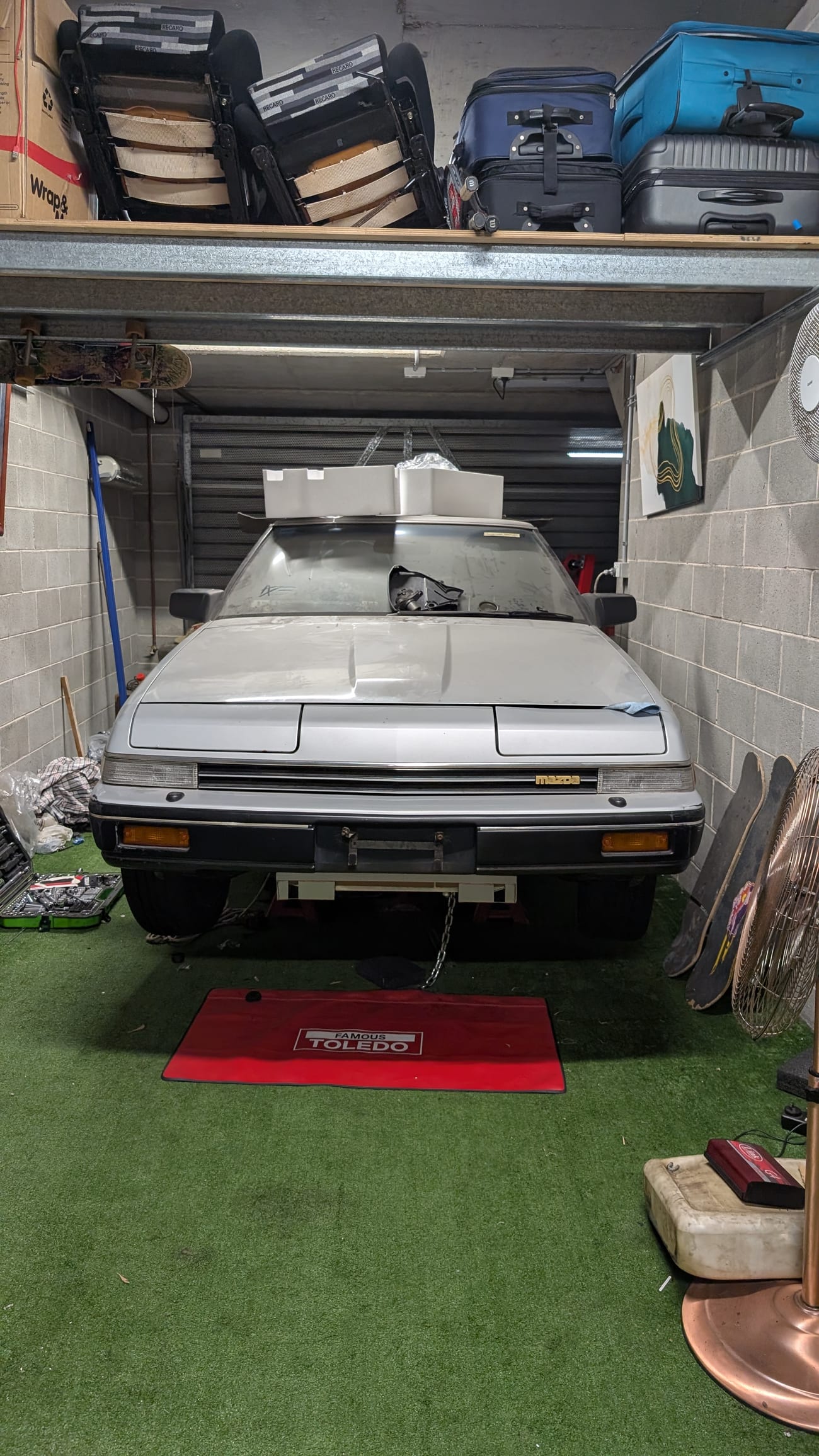
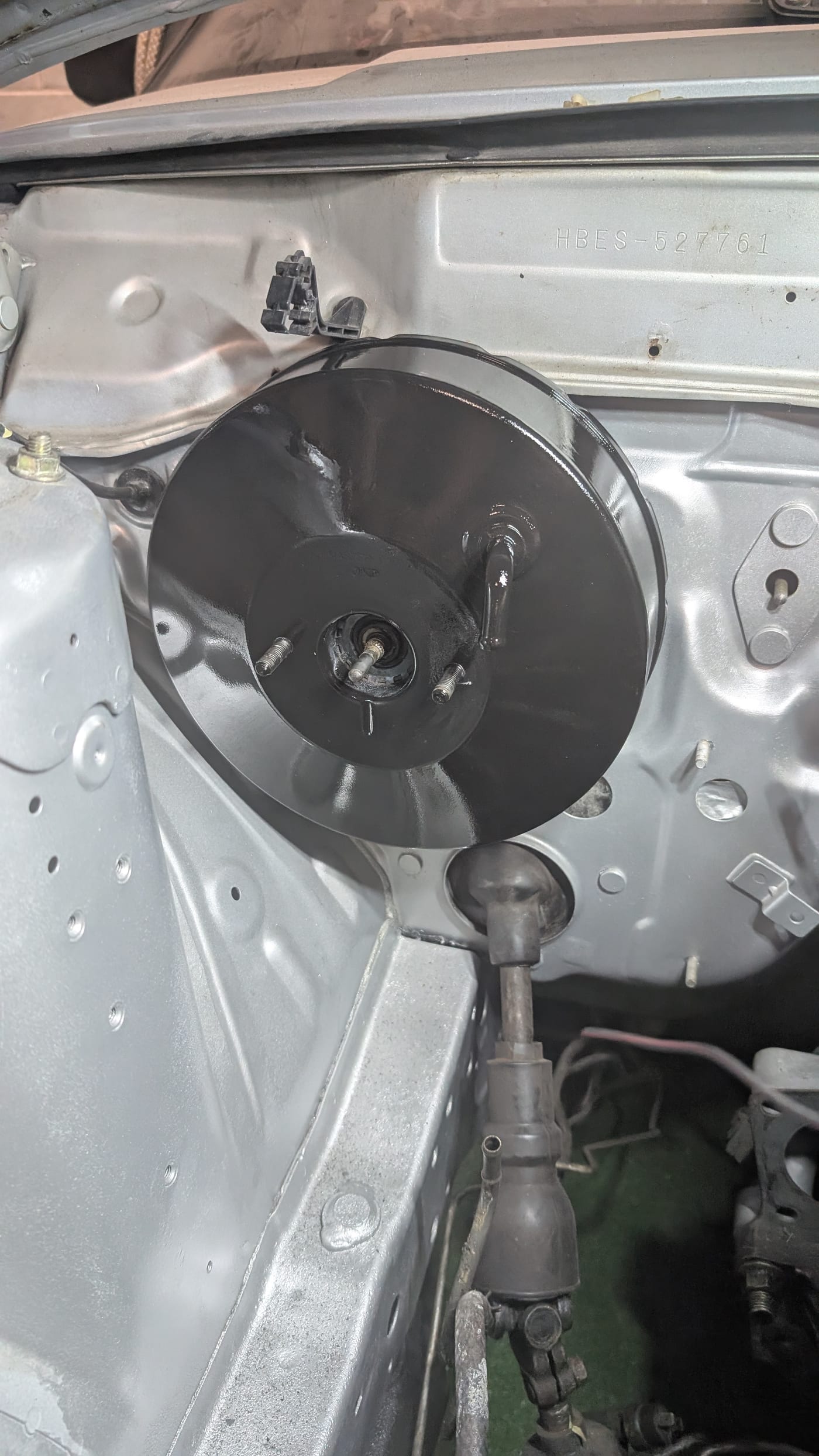
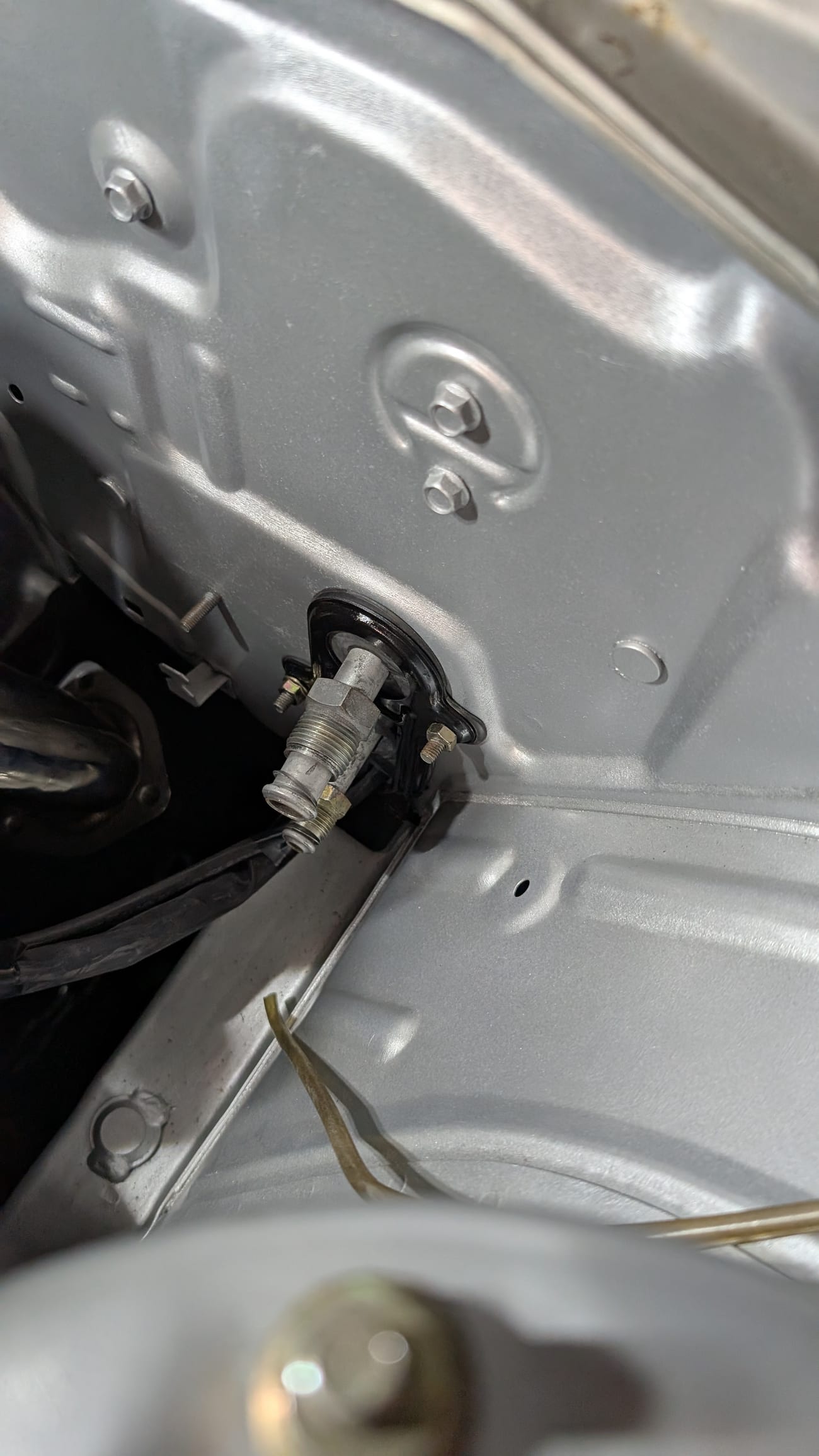
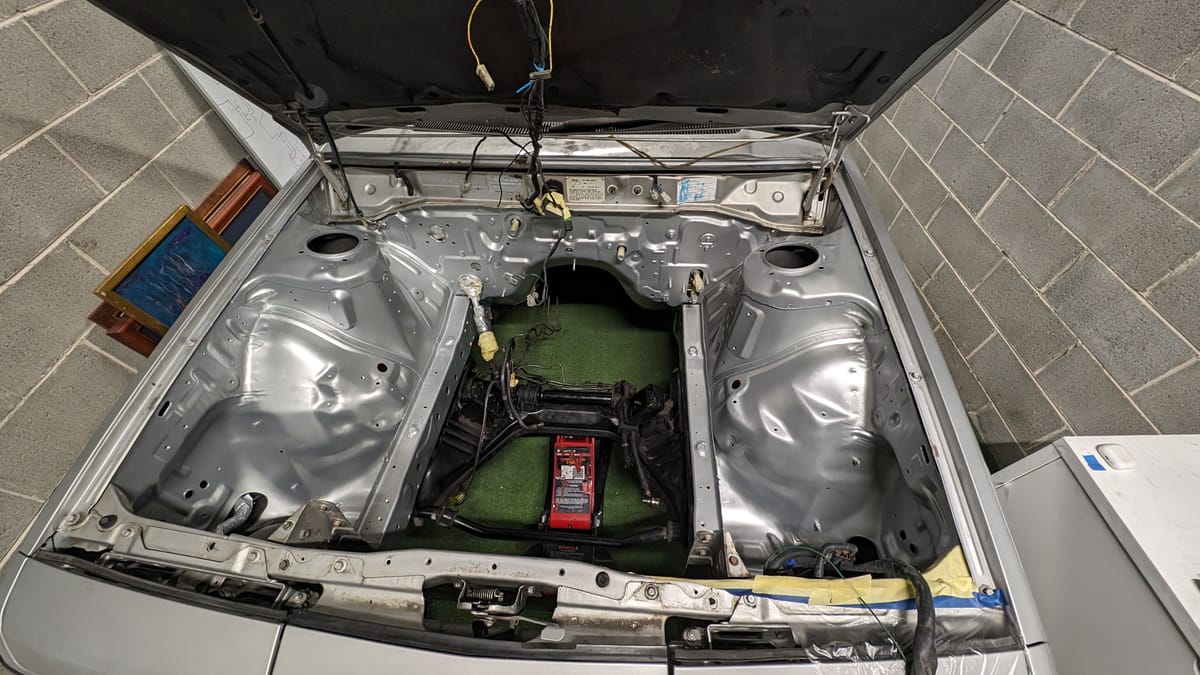
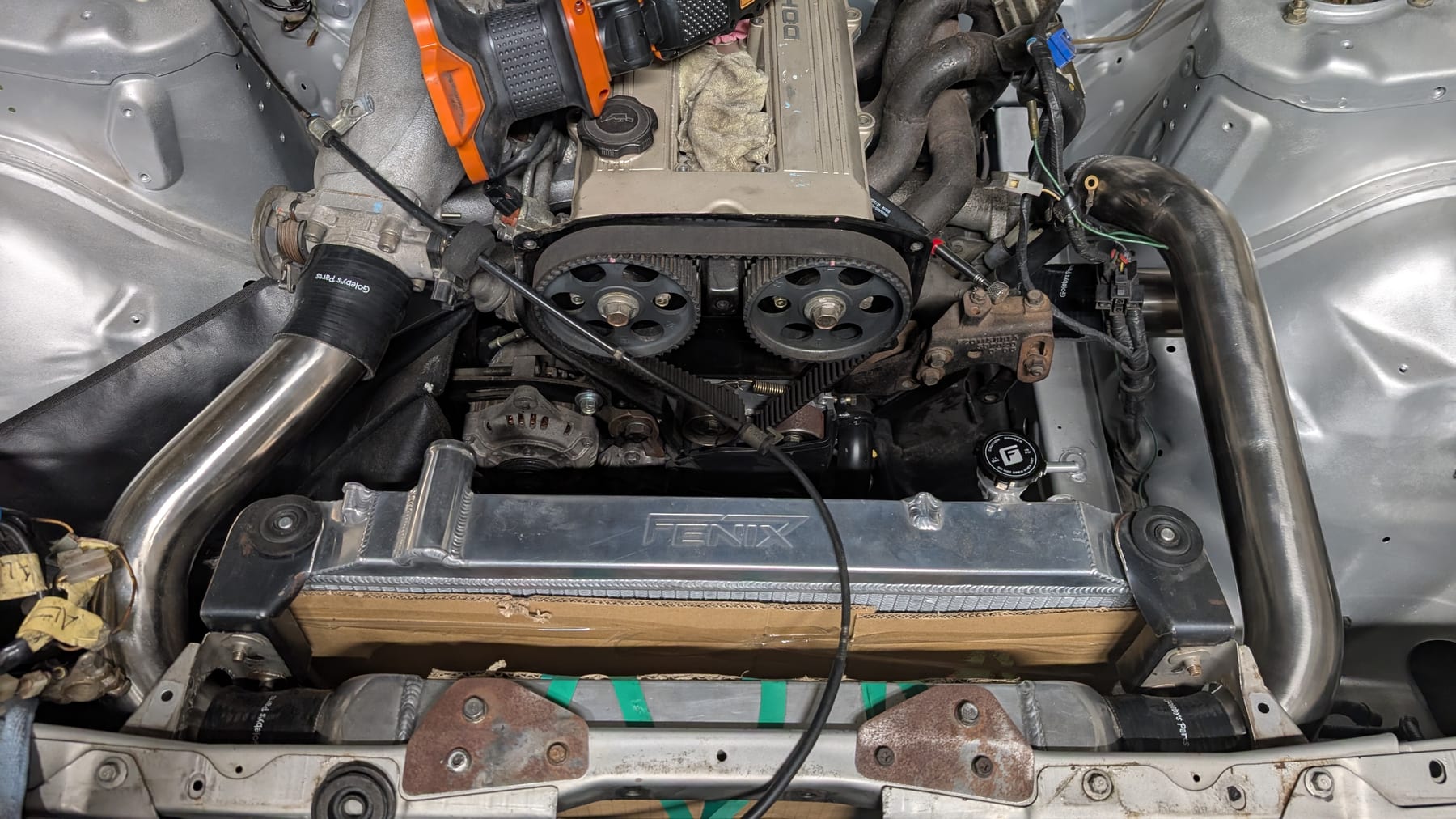
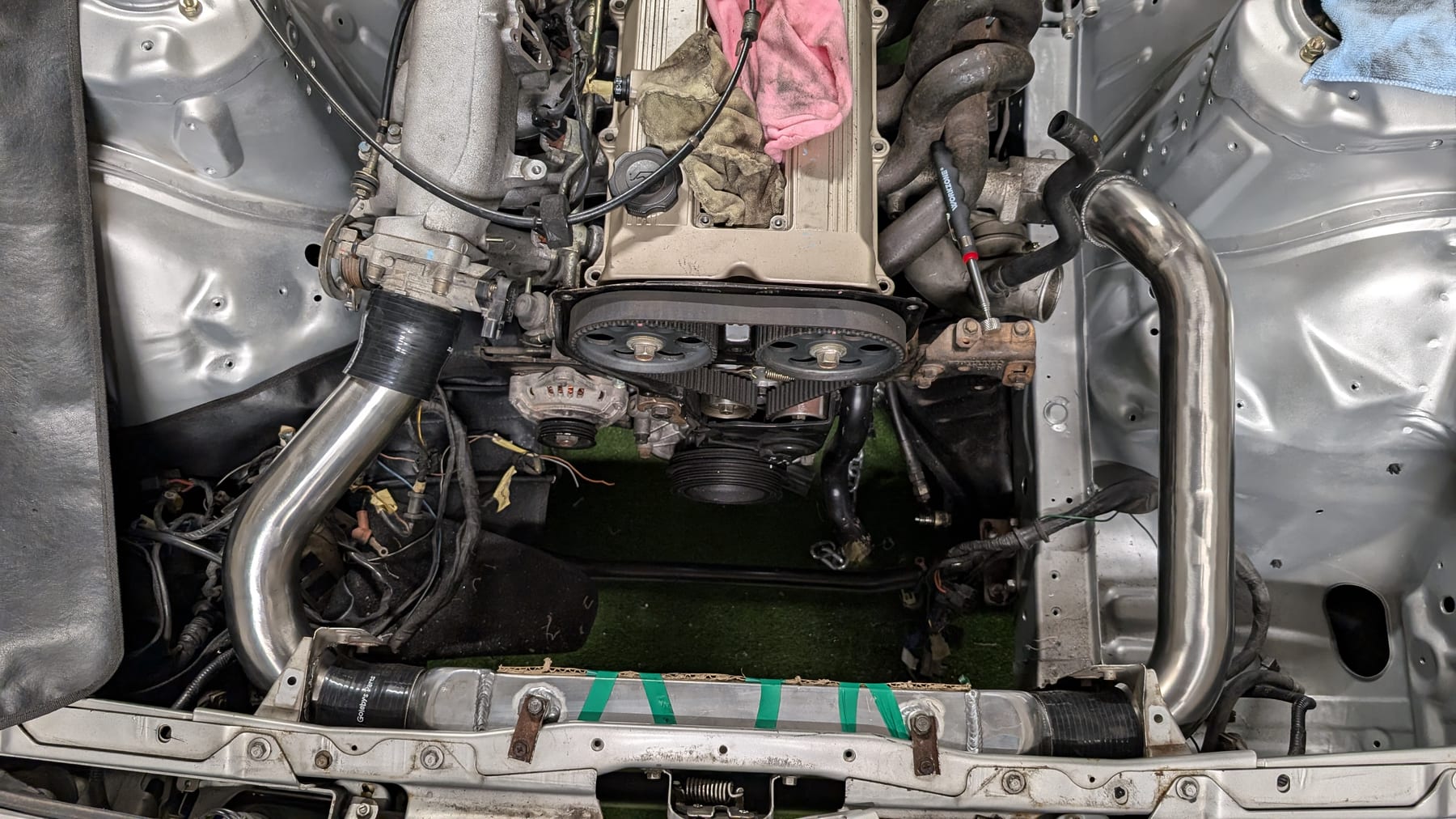
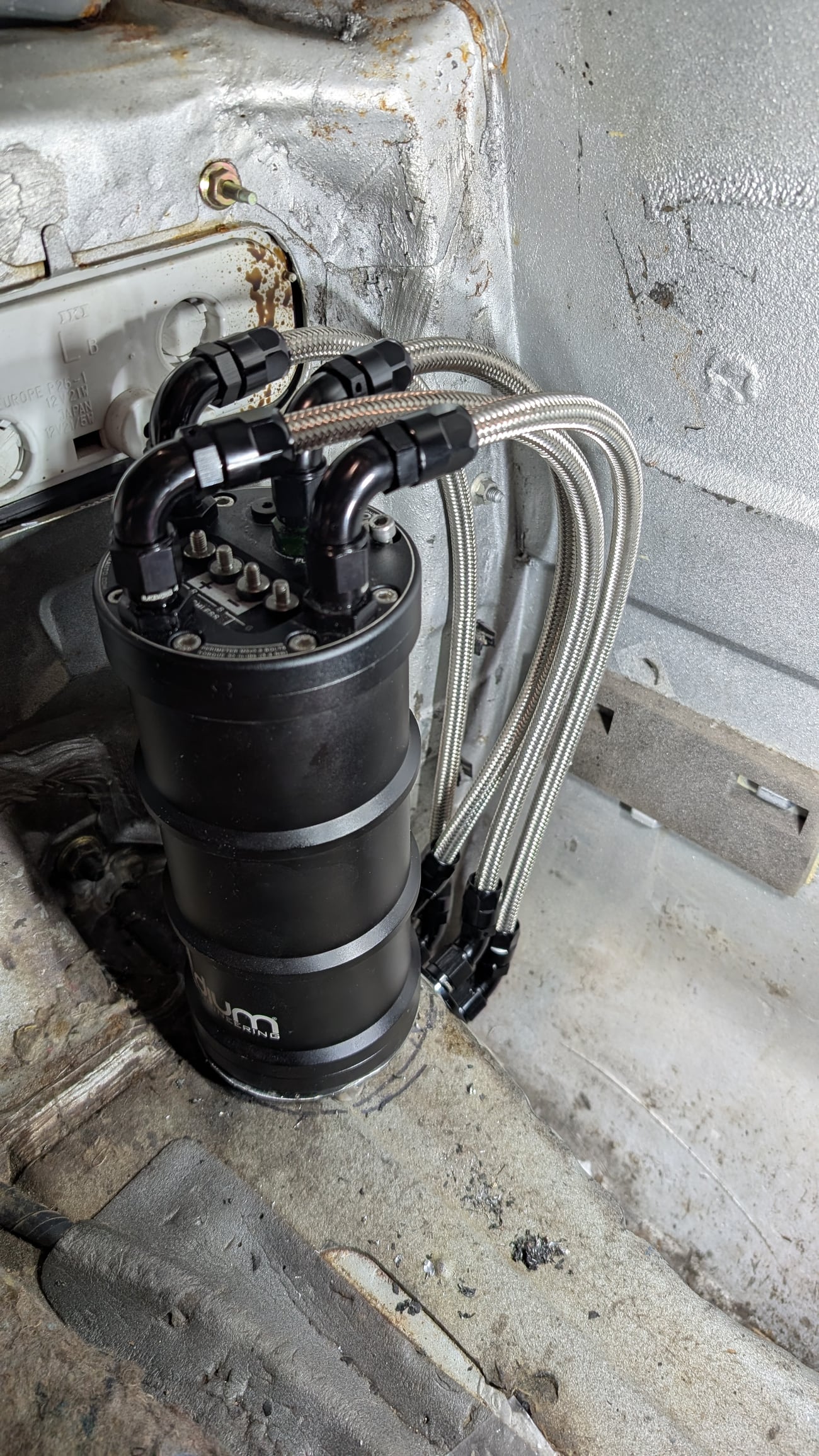
It's come a long way this year. The engine bay got painted. The Fenix radiator and mounts were... fun. The intercooler piping earned me some seat time on the MIG. And the fuel system was my first proper AN job — a big step up from a low‑pressure carby setup.
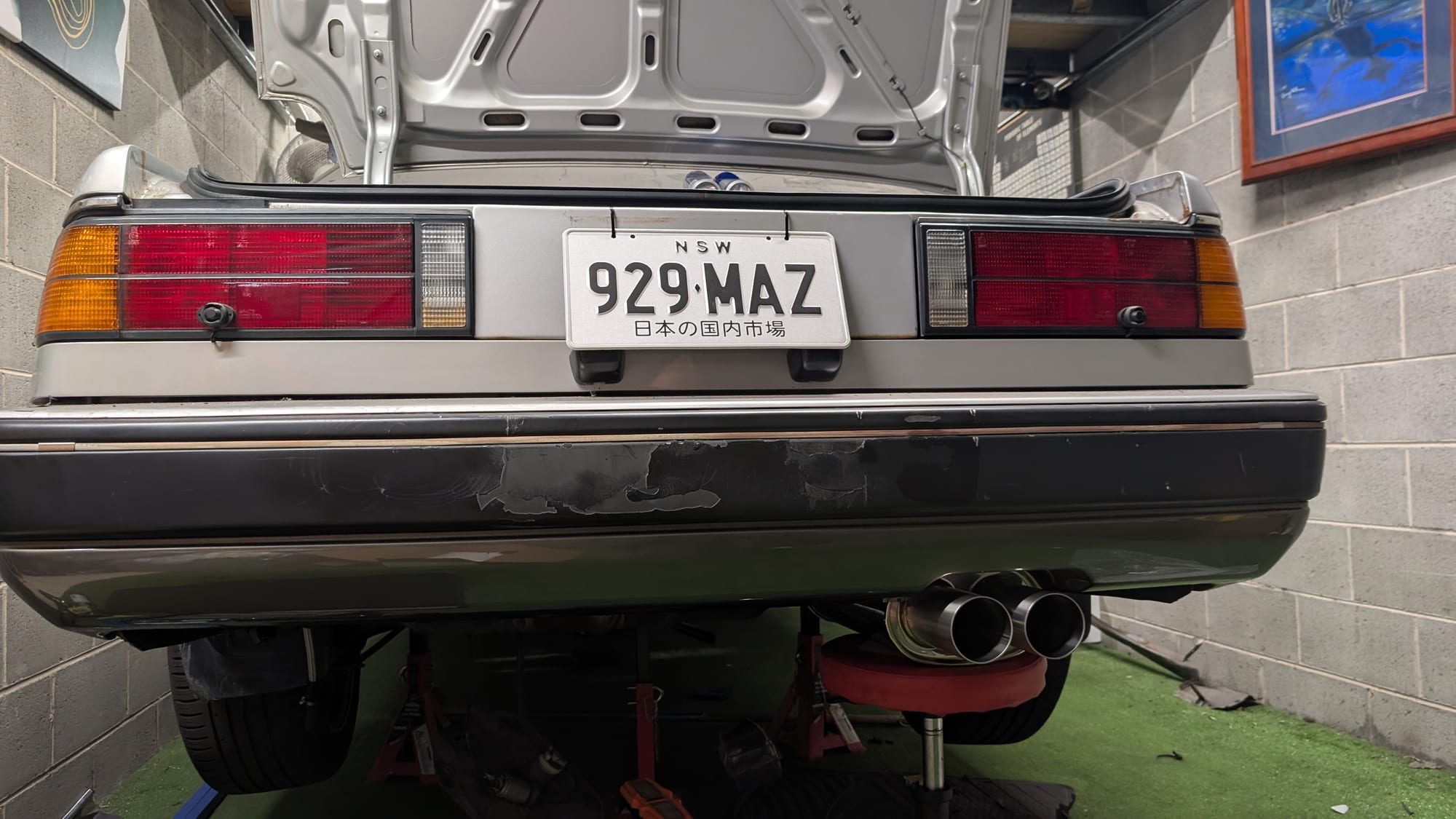
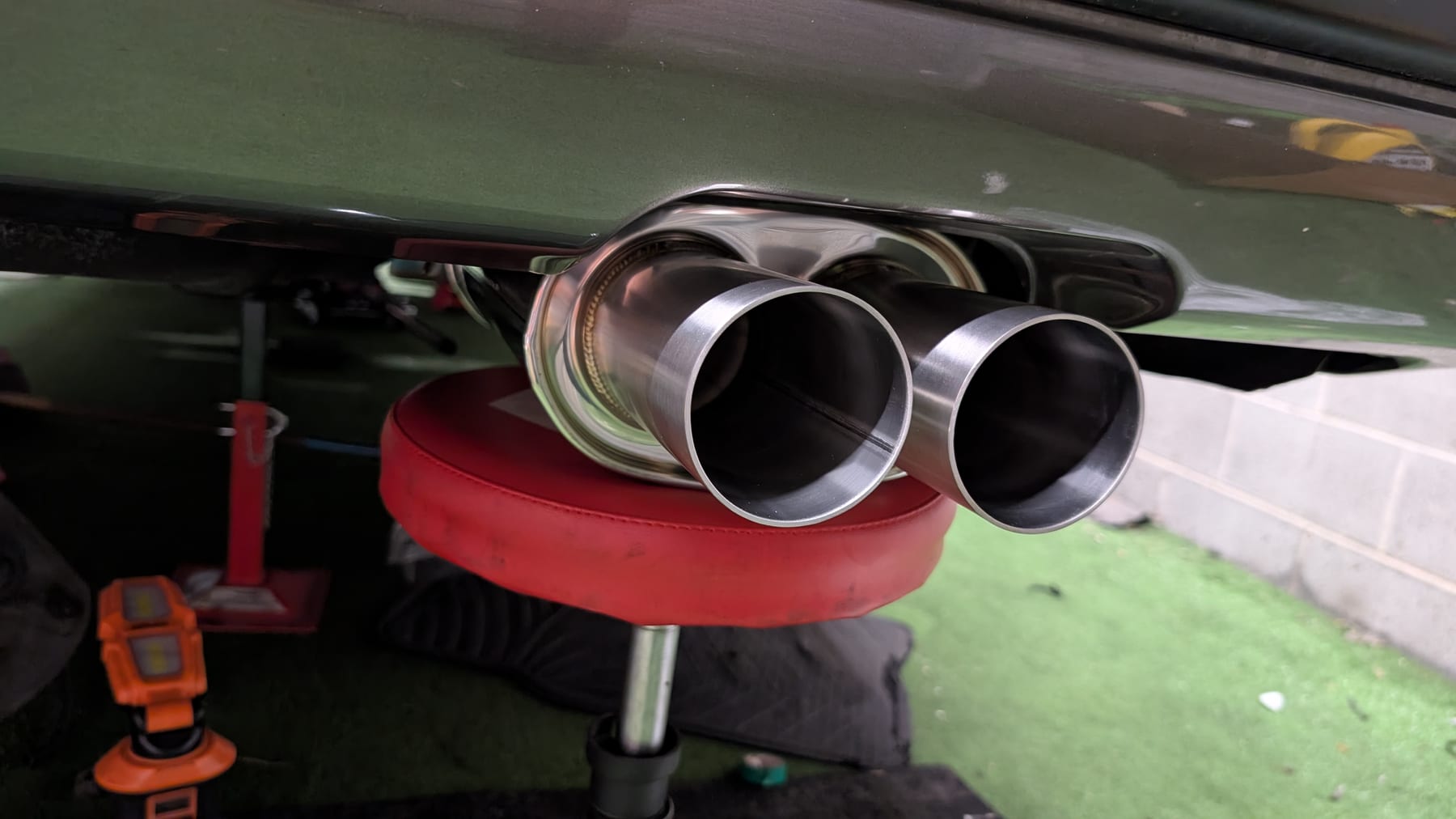
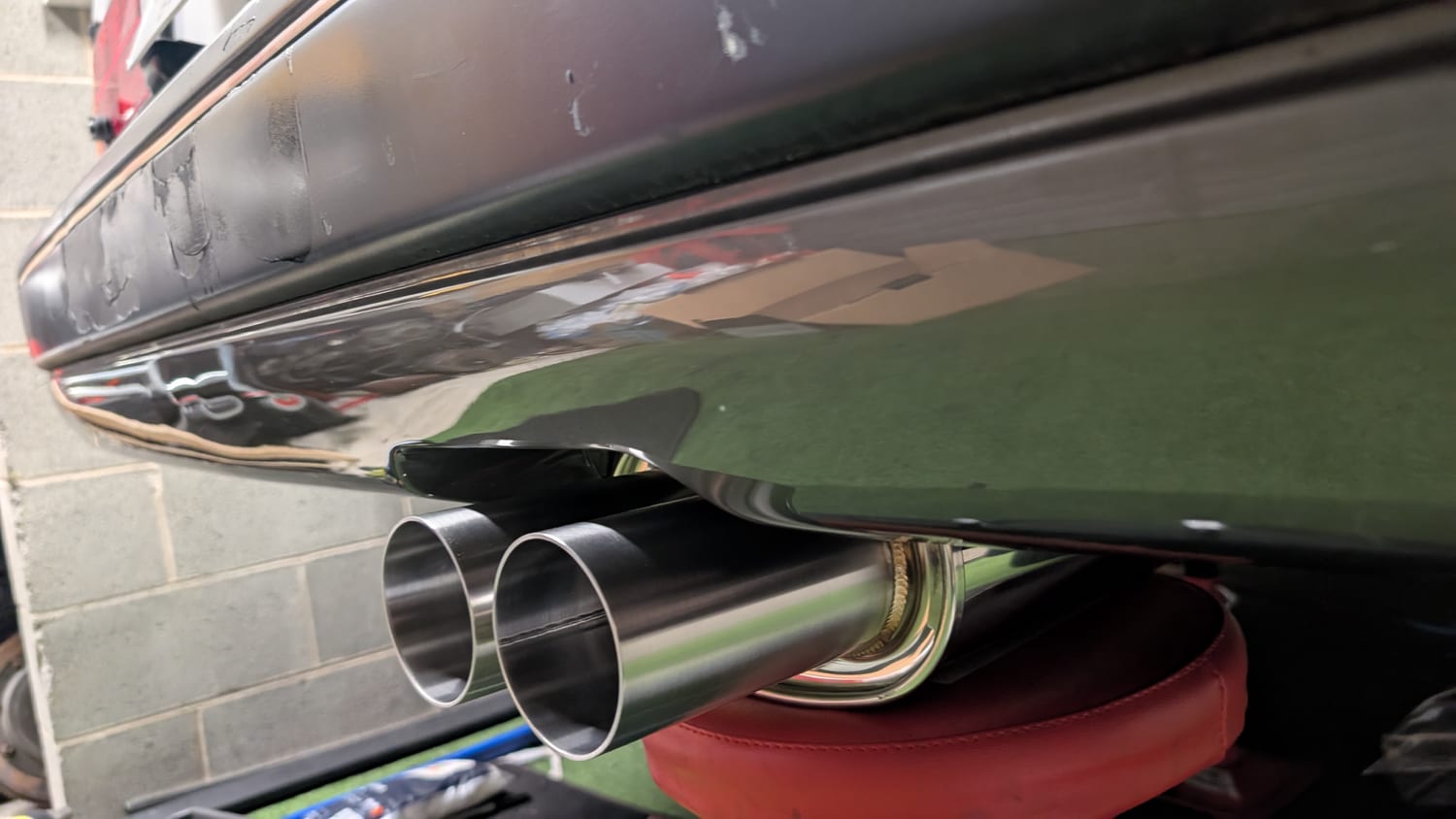
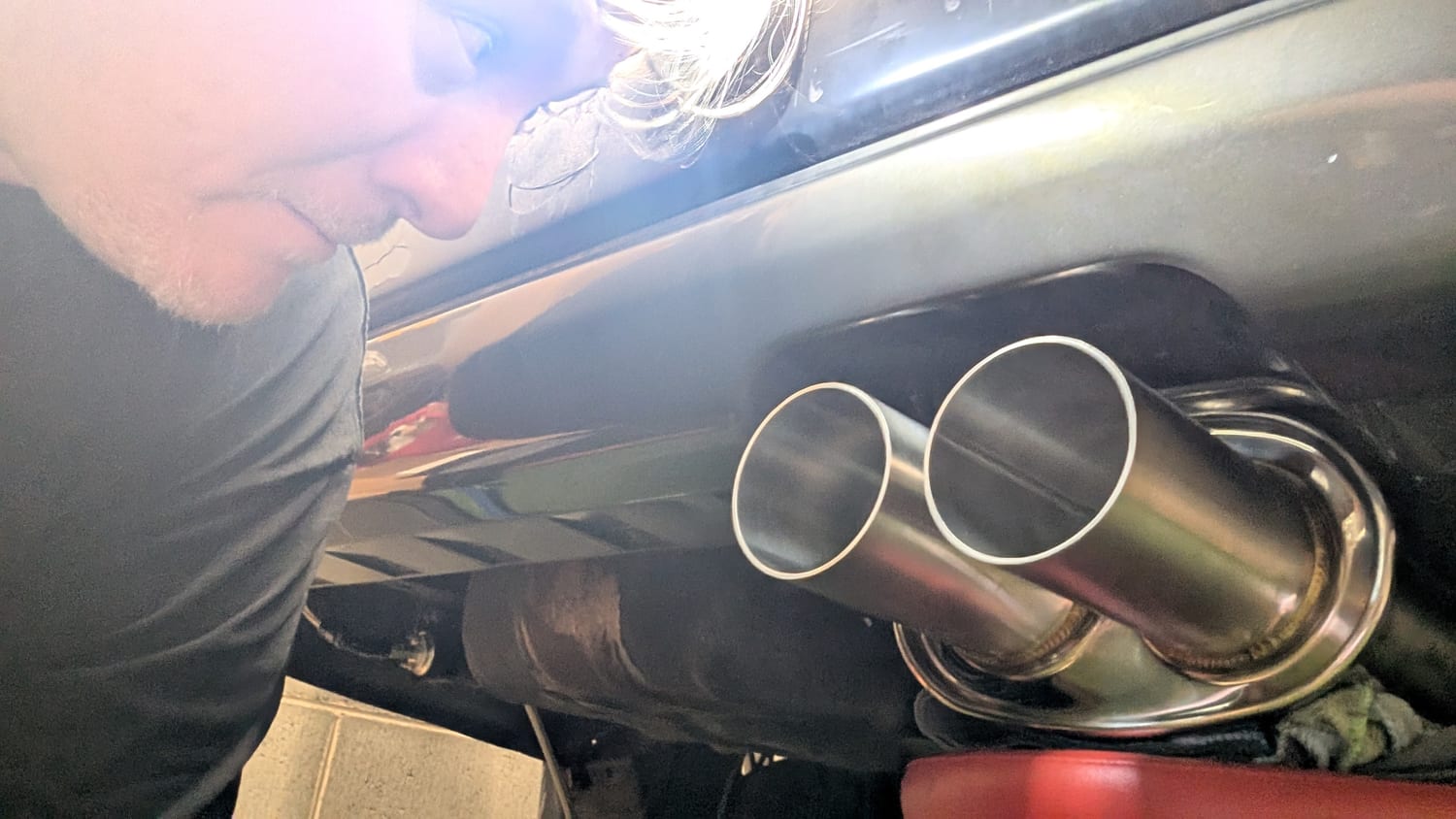
Next step: the full exhaust system.